
Introduction: The Dual Imperative
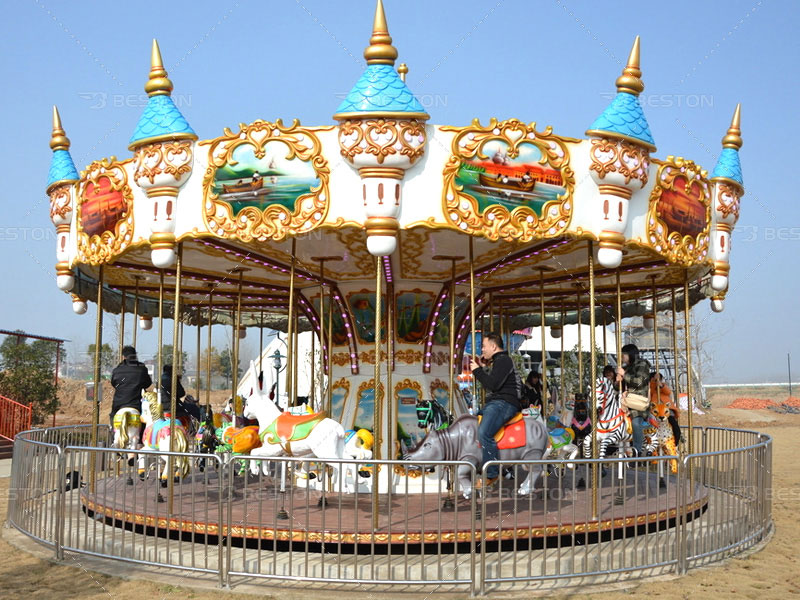
Creating an engaging amusement environment demands an intricate balance between perceived safety and controlled excitement. Visitors seek experiences that are thrilling yet reassuring, where adrenaline surges coexist with structural reliability. Theme park architects and ride manufacturers continuously innovate to satisfy these dual imperatives. Whether planning to buy amusement park rides or integrating kiddy rides into a larger entertainment complex, understanding the psychological and mechanical interplay between safety and stimulation is paramount.
In the initial conceptualization phase, designers assess risk tolerance among target audiences. Children, for instance, require gentler experiences; hence, incorporating kiddy rides alongside larger attractions provides tiered intensity. Conversely, thrill-seekers expect sudden drops, swift turns, and rapid accelerations. The ability to deliver both safely often hinges on precise engineering, redundant safety systems, and detailed human factor analysis.
Chapter 1: Structural Design and Safety Assurance
Structural integrity forms the bedrock of visitor confidence. Ferris wheel building exemplifies a blend of architectural sophistication and rigorous safety protocols. Each segment, from axle bearings to tensioned cables, must withstand dynamic loads exceeding those generated during peak operational cycles. Engineers employ finite element analysis, fatigue testing, and vibration monitoring to detect vulnerabilities before construction.
Equally critical is user perception of safety. A well-maintained ferris wheel with transparent safety enclosures reassures passengers, encouraging repeat visits. Complementing large-scale installations, indoor play area equipment demands meticulous attention to materials, padding, and anchoring systems. These measures prevent minor injuries while maintaining engagement. The subtle interplay between visible security and hidden structural redundancies directly influences visitor comfort, making safety an experiential element rather than merely a compliance metric.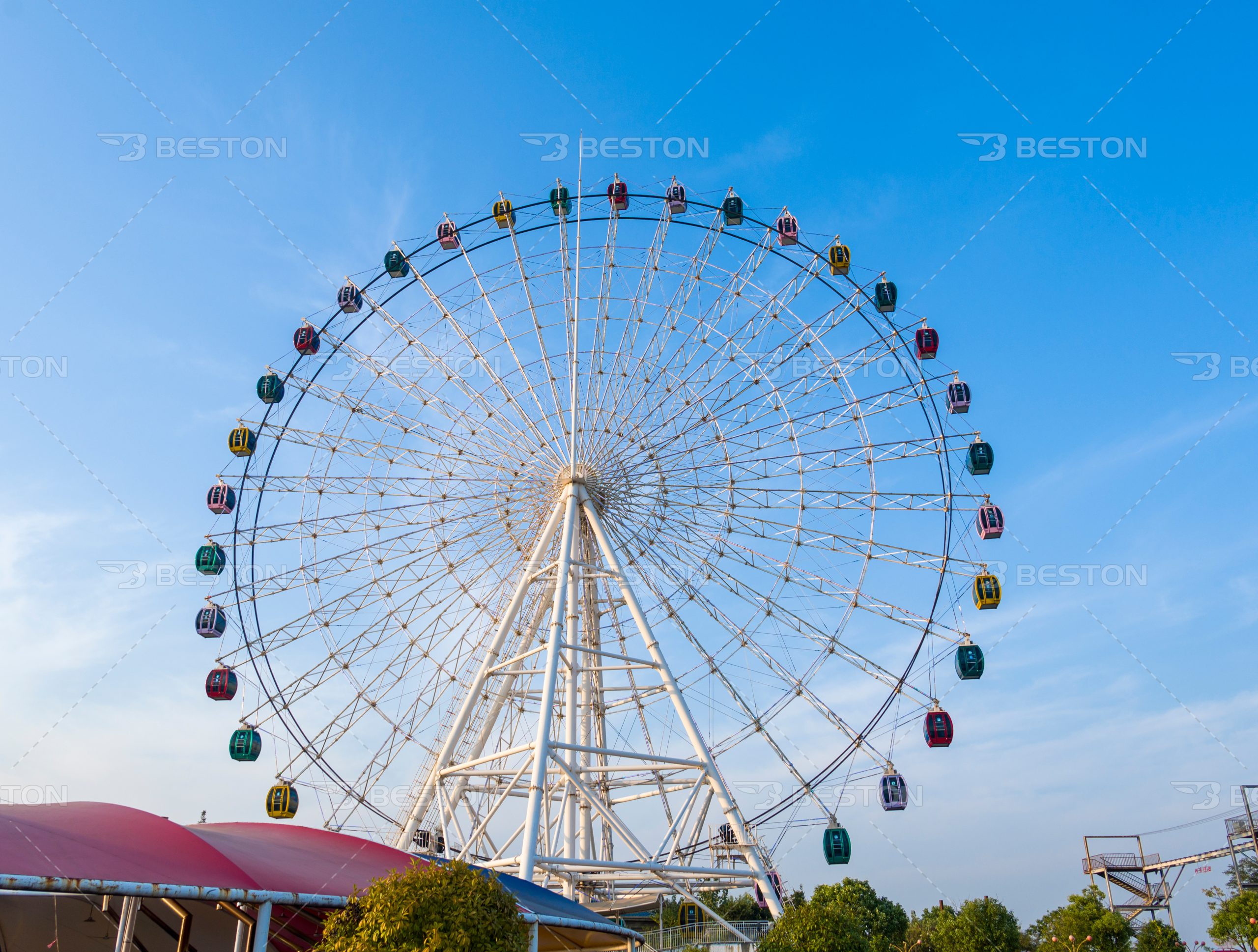
Chapter 2: Psychological Calibration of Thrill
Thrill is most effective when calibrated against individual comfort thresholds. Designers leverage the principles of suspense, anticipation, and unpredictability to evoke excitement without inducing genuine fear. For instance, strategically timed accelerations or sudden directional changes on a ride elevate arousal, yet fail to compromise actual safety.
Kiddy rides, while modest in speed, employ visual and sensory cues—bright colors, animated sounds, gentle vibrations—to stimulate curiosity and minor physiological arousal. For adults, roller coasters or drop towers introduce calculated risk, which can be intensified through steep curves or variable pacing. Designers must constantly negotiate between thrill and apprehension, ensuring that visitors feel daring rather than endangered. Data-driven simulations, virtual reality prototyping, and controlled field testing facilitate precise psychological calibration.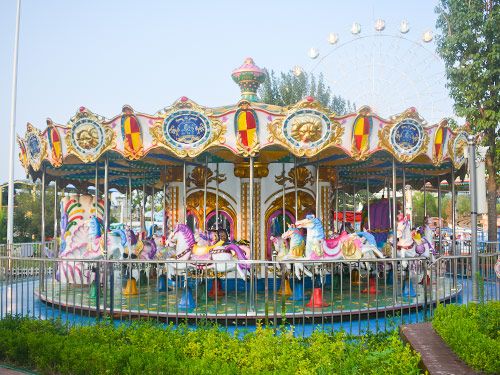
Chapter 3: Operational Protocols and Visitor Experience
Even the most sophisticated engineering cannot replace disciplined operational practices. Staff training, emergency protocols, and routine maintenance create an environment where thrill is inseparable from safety. Operators must understand both ride mechanics and human behavior, interpreting subtle cues such as rider hesitation or unexpected agitation.
Incorporating indoor play area equipment and strategically placing kiddy rides within sightlines of guardians exemplifies operational foresight. Similarly, ferris wheel building requires meticulous scheduling of inspections, lubrication, and component replacement to prevent failure. Operators who actively manage ride pacing and queue dynamics enhance perceived safety while sustaining excitement. This integration ensures that the park environment communicates competence and care alongside entertainment.
Chapter 4: Material Innovation and Sensory Design
Materials technology plays a crucial role in achieving the safety-thrill equilibrium. Advanced composites, high-tensile alloys, and impact-absorbing polymers allow rides to endure repeated stress while minimizing injury risk. Surface textures, soundscapes, and lighting also contribute to the visitor’s sensory experience, subtly modulating perceived intensity.
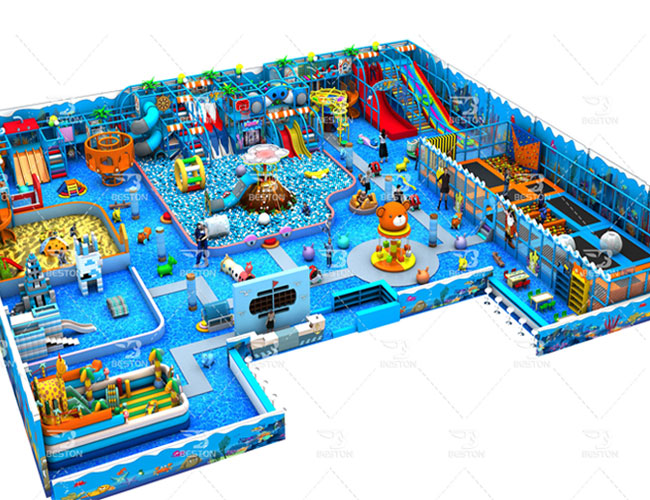
Buy amusement park rides with these principles in mind ensures longevity and psychological engagement. Ferris wheel building, for example, increasingly incorporates lightweight alloys combined with vibration-damping systems to reduce both mechanical strain and passenger unease. Similarly, indoor play area equipment utilizes modular panels with rounded edges, cushioning layers, and ergonomic design to balance stimulation with protection. These material considerations are essential in shaping both immediate and long-term impressions of safety and thrill.
Chapter 5: Strategic Integration and Visitor Flow
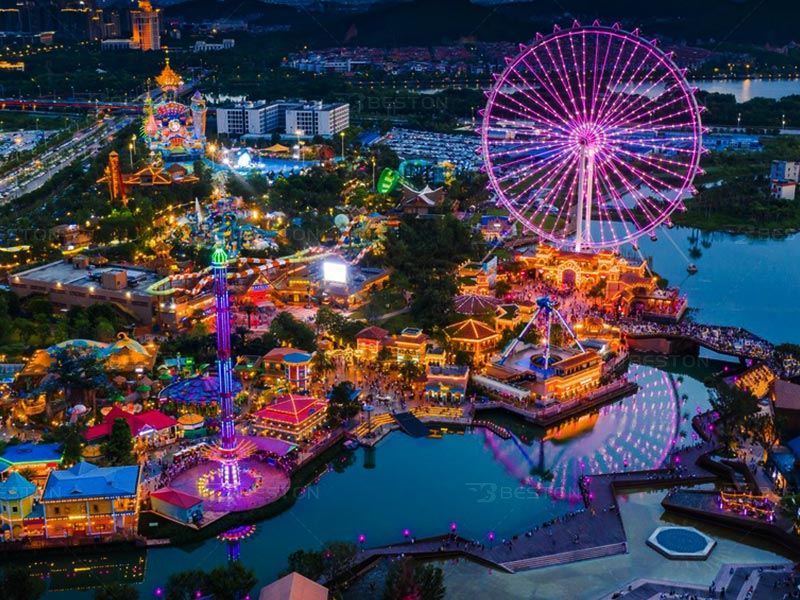
Beyond individual attractions, the spatial and thematic integration of rides governs overall park dynamics. Strategically positioning kiddy rides near high-traffic corridors, juxtaposed with visually dominant ferris wheel installations, creates a layered sensory environment that guides exploration while maintaining safety. Indoor play area equipment can function as transitional buffers, giving families zones for respite and interaction.
The ability to buy amusement park rides tailored to these nuanced objectives allows operators to curate experiences that satisfy a wide demographic spectrum. This holistic approach ensures that adrenaline spikes are contextualized within a predictable, controlled environment, reinforcing the perception of safety while delivering memorable thrills.
Conclusion: The Art of Equilibrium
Balancing safety and thrill is not merely a technical challenge; it is a design philosophy. Success depends on precise engineering, psychological insight, operational rigor, and material innovation. Whether deploying kiddy rides, ferris wheel building, or indoor play area equipment, each decision contributes to a cohesive experience where visitors can embrace excitement without compromising confidence. By harmonizing these elements, amusement parks transform risk into an accessible form of exhilaration, solidifying their role as arenas of both wonder and reassurance.